
GLP-1 & Multi-Agonists: Semaglutide, Tirzepatide and Retatrutide
This collection covers our GLP-1 and multi-agonist research peptides: Semaglutide (GLP-1 SM), Tirzepatide (GLP-2 TR) and Retatrutide (GLP-1 RT), plus Semaglutide and Tirzepatide blended with BPC-157. Each is supplied as a lyophilized powder in several vial strengths for analytical, in vitro and other nonclinical research in the USA.
What Are GLP-1 Research Peptides?
GLP-1 research peptides are synthetic peptides used to study the glucagon-like peptide-1 (GLP-1) receptor and related metabolic receptors. Laboratories use them to examine receptor-binding characteristics, pathway activation, downstream cellular signaling and peptide stability under controlled conditions. They are research tools for qualified professionals only and are not for human or veterinary use.
Semaglutide vs. Tirzepatide vs. Retatrutide for Research
The three peptides are usually chosen by how many receptor pathways a study needs to cover:
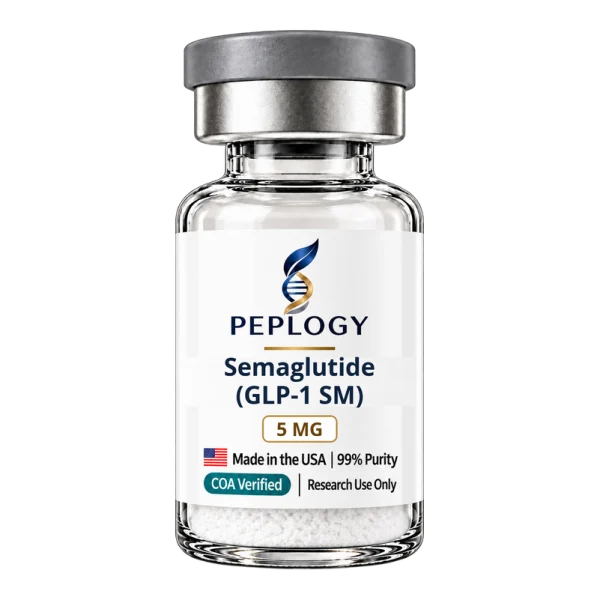
- Semaglutide (GLP-1 SM): a single-receptor model for GLP-1 receptor interactions, pathway activation and downstream cellular responses. Available in 5, 10 and 30 mg vials.
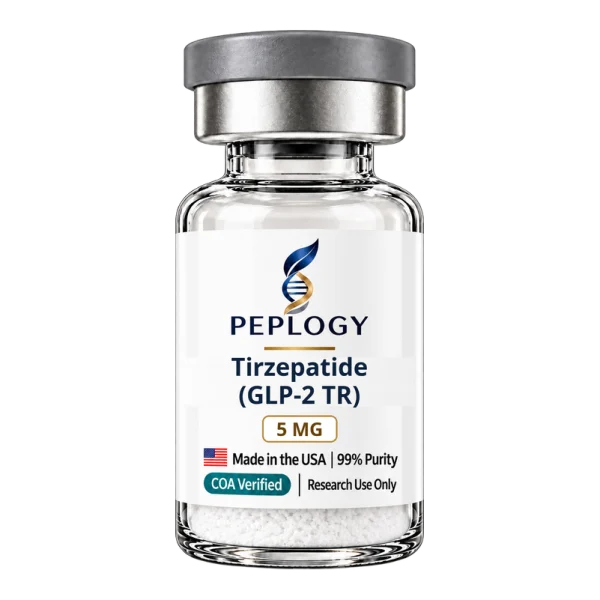
- Tirzepatide (GLP-2 TR): studied for its interactions with both the GLP-1 and the glucose-dependent insulinotropic polypeptide (GIP) receptors, for research on receptor-binding dynamics and how interconnected endocrine pathways influence each other. Available in 5, 10, 30, 60 and 120 mg vials.
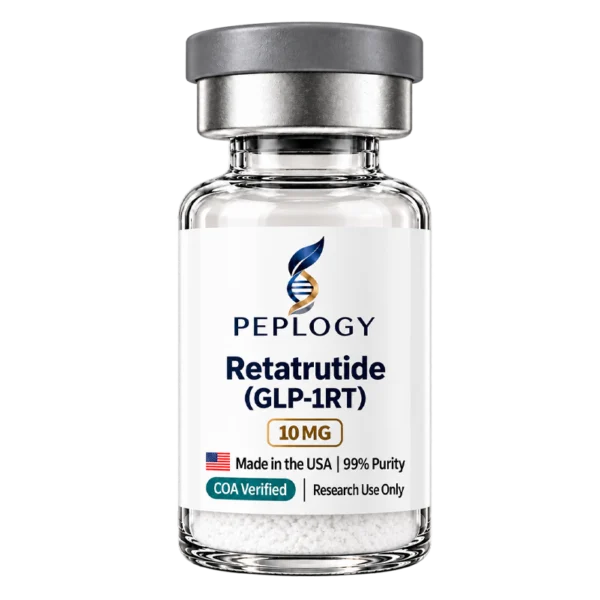
- Retatrutide (GLP-1 RT): used in models that examine how the GLP-1, GIP and glucagon receptor systems interact, including pathway selectivity and receptor cross-talk. Available in 5, 12, 24, 30 and 60 mg vials.
GLP-1 Blends with BPC-157
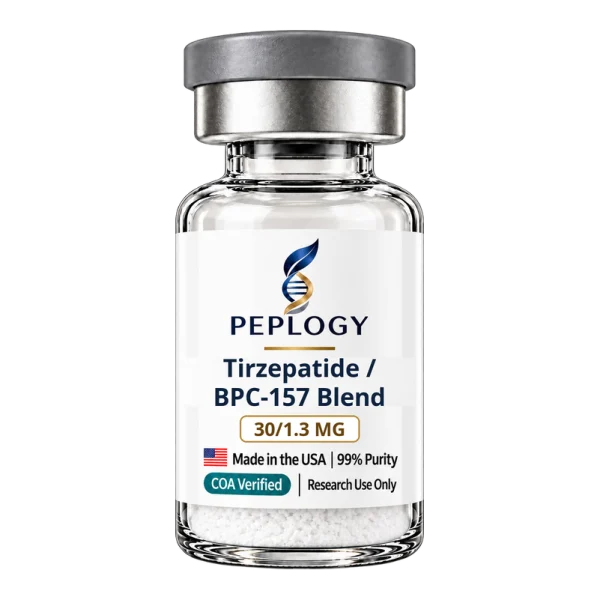
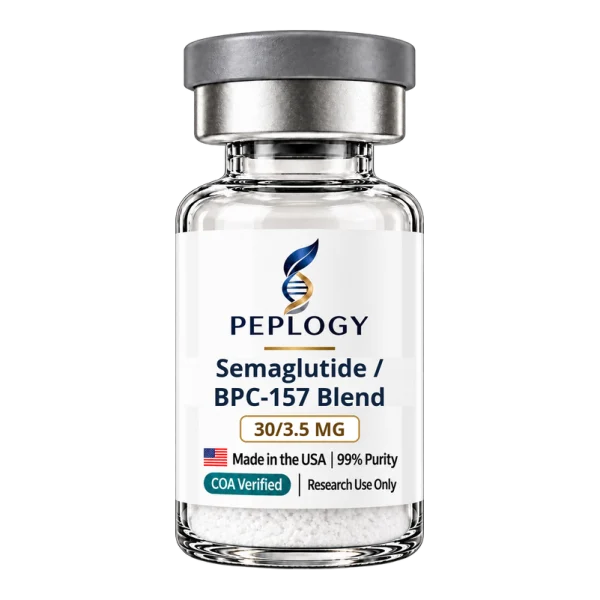
Two combined formulations let researchers study a GLP-1 pathway peptide alongside BPC-157 in one material: Semaglutide / BPC-157 (30/3.5 mg) and Tirzepatide / BPC-157 (30/1.3 mg). They are intended for analytical research on compound identity, purity, formulation stability, dissolution, peptide interactions and cellular signaling. Published BPC-157 findings are predominantly preclinical, so no conclusions about human safety or effectiveness should be drawn.
Common Research Applications
- Receptor-binding studies at the GLP-1, GIP and glucagon receptors
- Pathway selectivity and downstream signaling after receptor engagement
- Relationships between interconnected metabolic and endocrine receptor systems
- Peptide stability and formulation behavior under controlled conditions
Choosing a Vial Strength
Each peptide comes in several vial sizes so the amount per vial can match the scale of your experiments. Different strengths of the same peptide count together toward volume pricing, so a study that needs several vials can mix sizes and still get 8% off 3 or more, or 12% off 5 or more, applied automatically in the cart.
How GLP-1 Research Peptides Are Supplied
All GLP-1 and multi-agonist peptides in this collection arrive as a white lyophilized (freeze-dried) powder in a sealed vial, the format chosen for stability in storage and ease of reconstitution. Single-peptide pages list the CAS number and molecular weight, and blend pages the molecular weight of each peptide, so the material can be matched to your study records. Blends state the amount of each peptide per vial, for example 30 mg of Semaglutide with 3.5 mg of BPC-157.
Testing and COA
Where a lot's certificate is published, the product page shows its purity by reverse-phase HPLC, with identity confirmed by mass spectrometry and endotoxin screening by an independent HPLC-MS laboratory; otherwise it reads "Lot COA coming soon". Published certificates of analysis are listed in our COA library by lot number.
Storage and US Shipping
Store lyophilized GLP-1 peptide vials at −20 °C, protected from light and moisture. We ship within the United States Monday through Thursday, with same-day dispatch on orders placed by 2 PM ET and free shipping on orders of $150 or more to the contiguous US.
Peer-reviewed studies on GLP-1 receptor agonists are indexed on PubMed, the research database of the US National Library of Medicine.