
Research Peptides for Sale in the USA
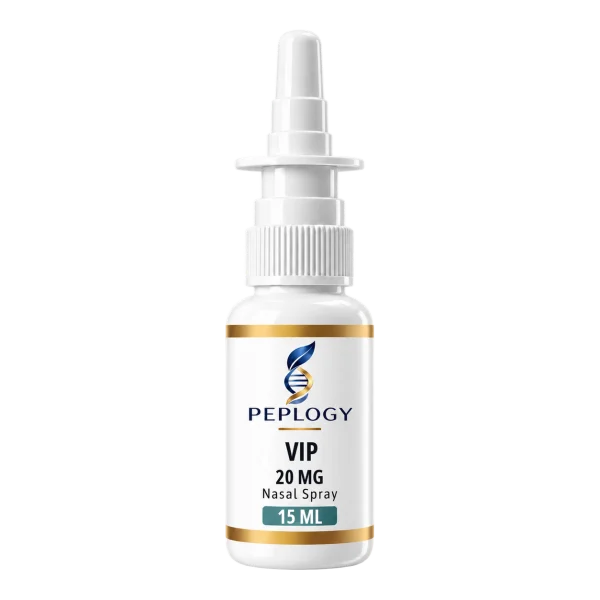
Peplogy supplies research peptides to laboratories and qualified researchers across the United States. This collection brings together our single-compound research peptides in lyophilized vials, plus capsule, nasal-spray and serum formats of the most studied compounds, so you can compare strengths, formats and lot documentation in one place.
What Are Research Peptides?
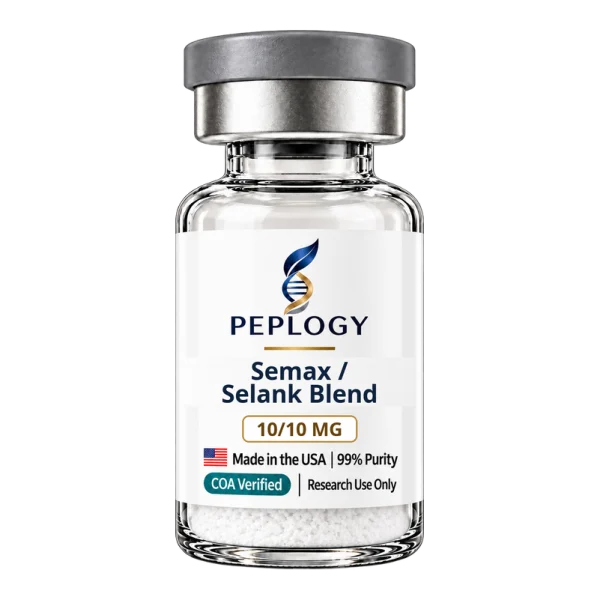
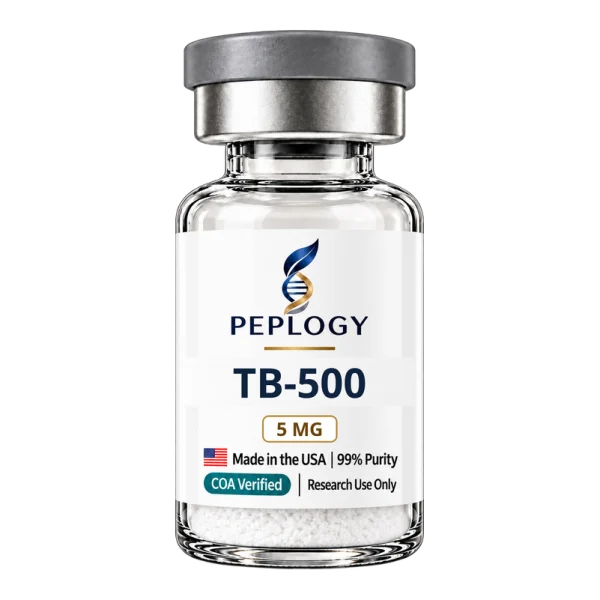
Research peptides are short chains of amino acids made synthetically for laboratory study. Many are copies or analogues of peptides that occur naturally in the body, such as fragments of thymosin beta-4 (TB-500), the tuftsin-based Selank or the ACTH-derived Semax. Researchers use them to study how specific signaling pathways work, from tissue repair and growth hormone release to neuropeptide signaling and immune function. Every product in this collection is sold strictly for research use and is not for human or veterinary use.
Popular Research Peptides by Research Area
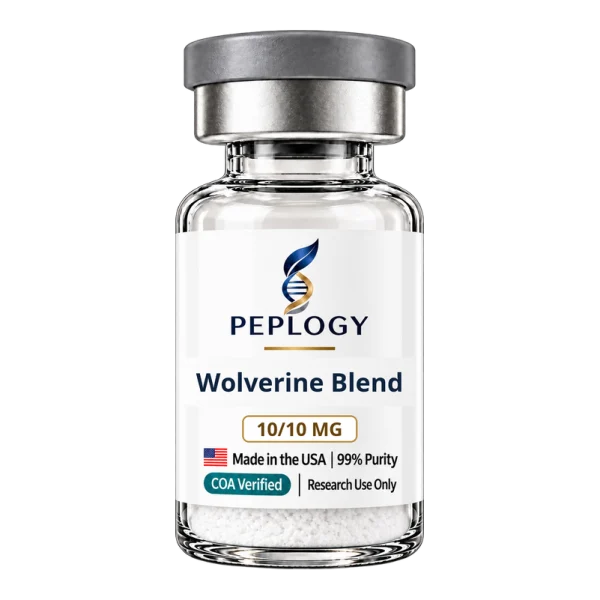
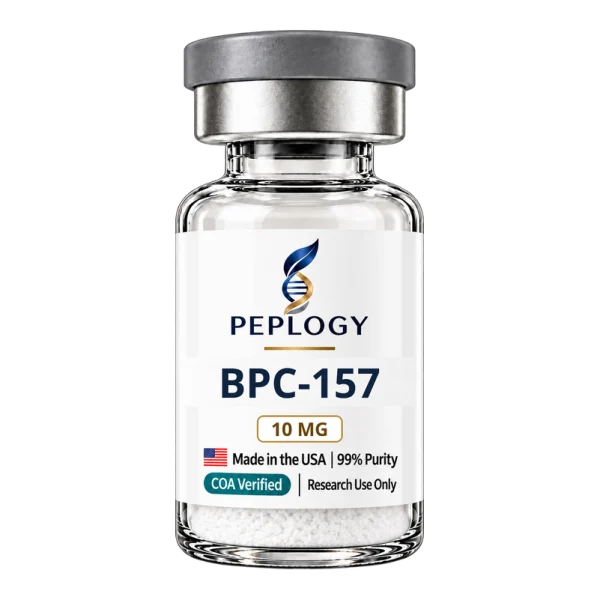
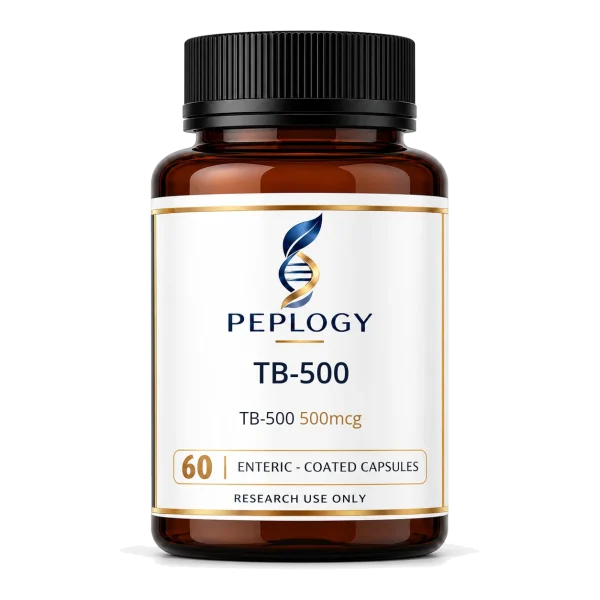
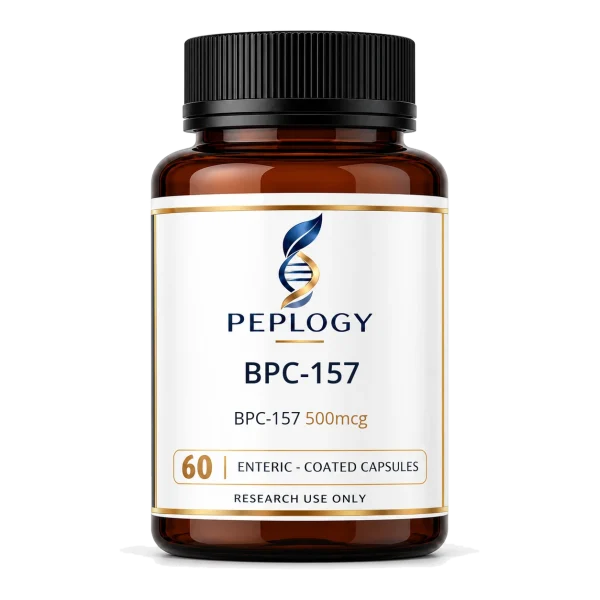
- Tissue repair and recovery: BPC-157, a synthetic peptide derived from a protein found in the stomach, and TB-500 are studied for collagen formation, angiogenesis and the healing of muscles, tendons and ligaments. Both are also available as capsules and as the Wolverine Blend.
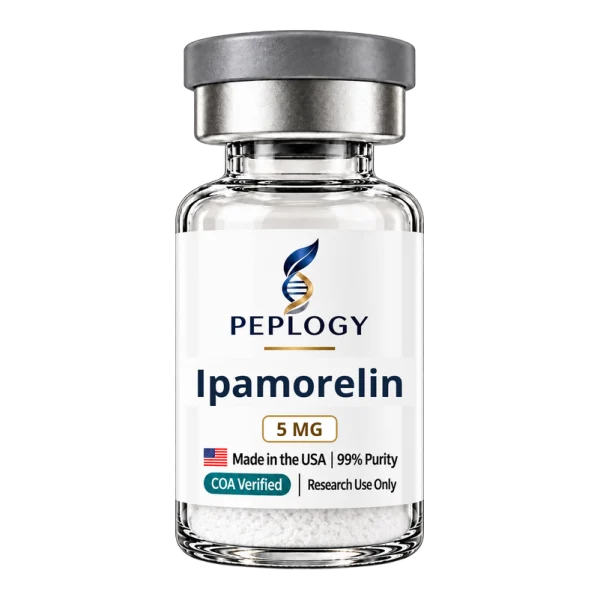
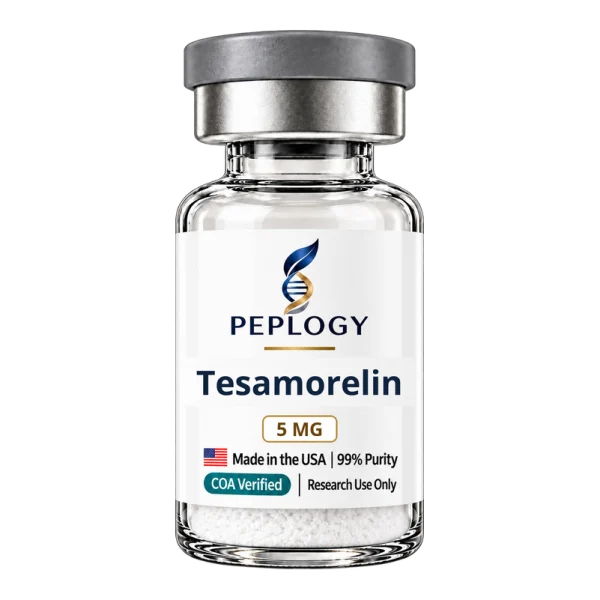
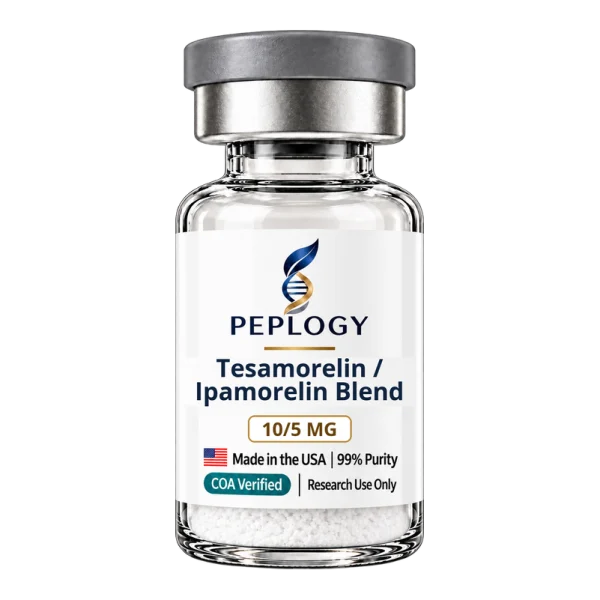
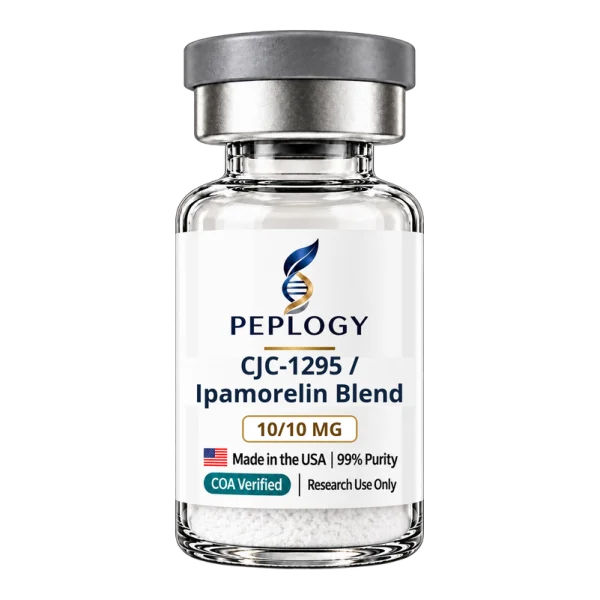
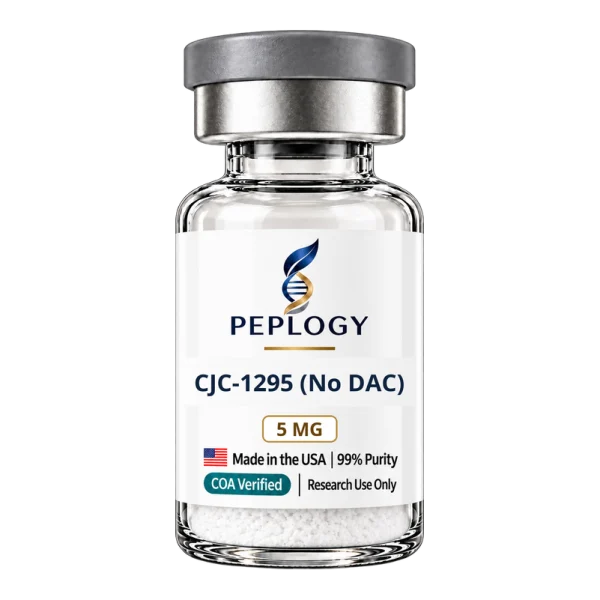
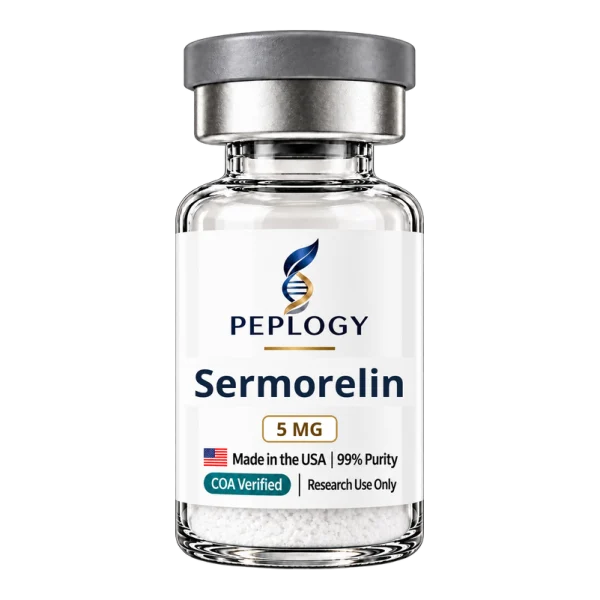
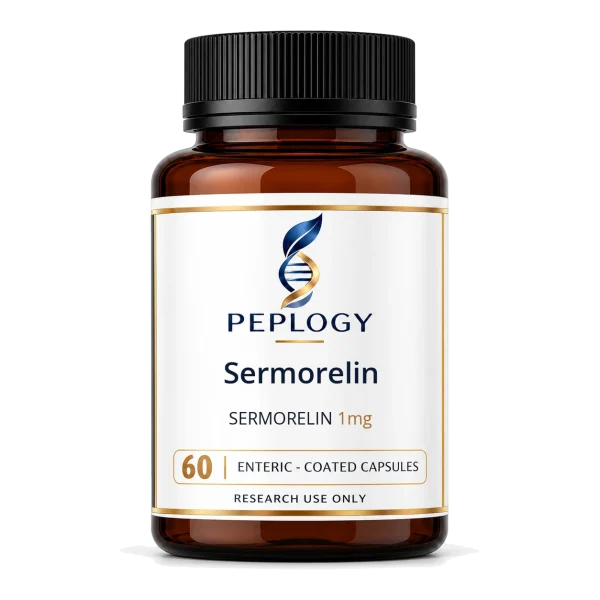
- Growth hormone research: Sermorelin, CJC-1295 (No DAC) and Tesamorelin mimic growth hormone-releasing hormone (GHRH), while Ipamorelin is a selective ghrelin receptor agonist. They are studied for growth hormone release, body composition and metabolism.
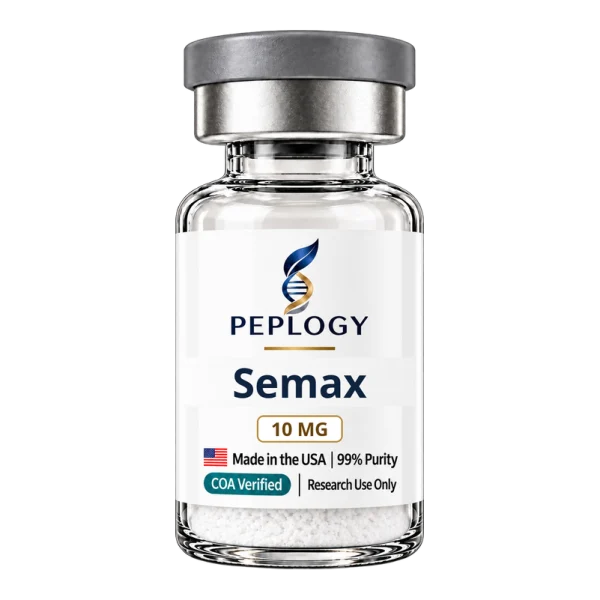
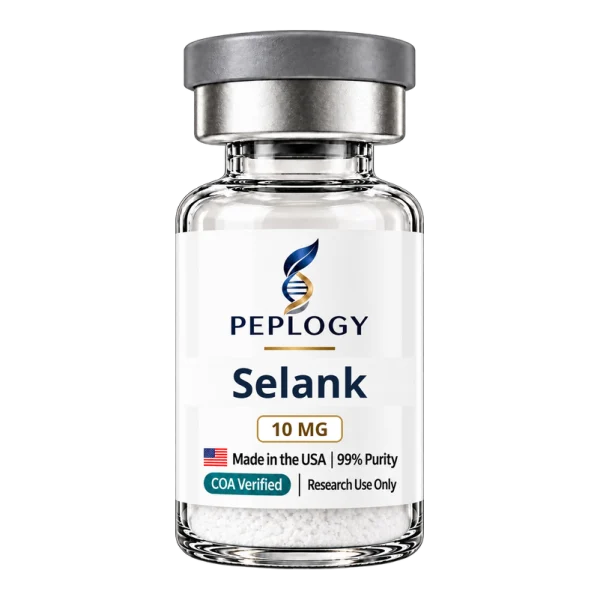
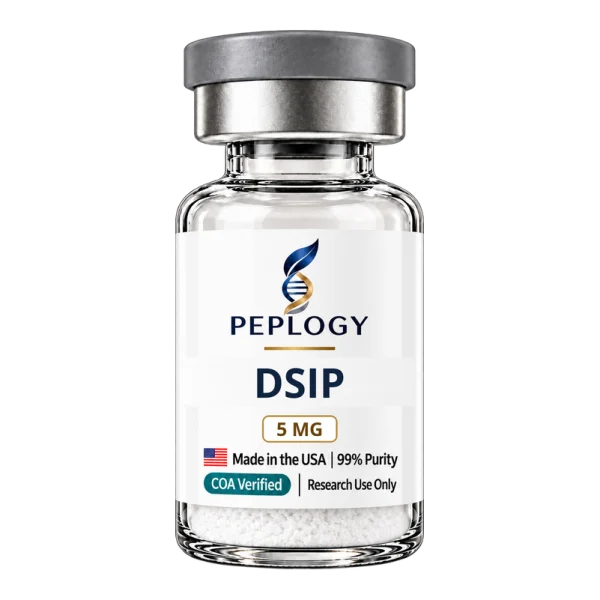
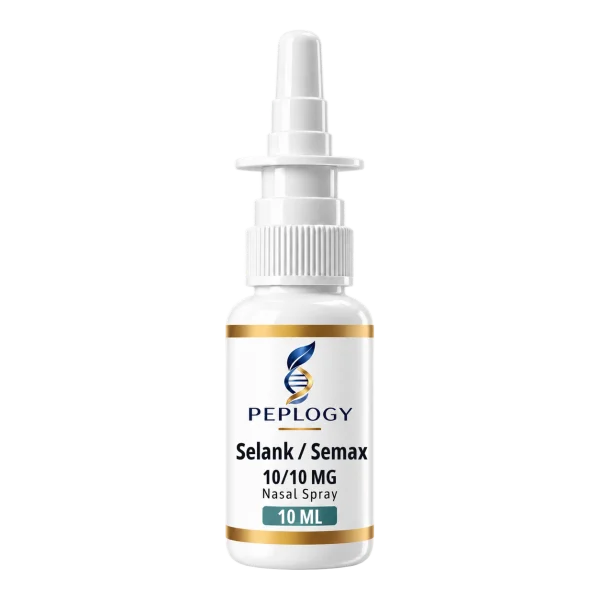
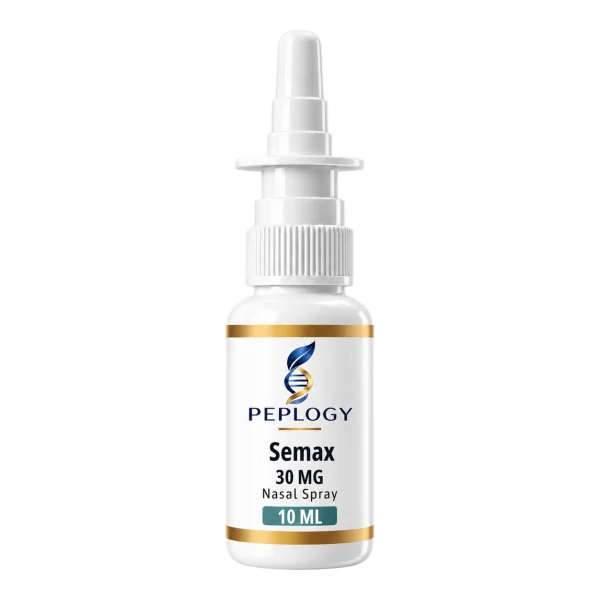
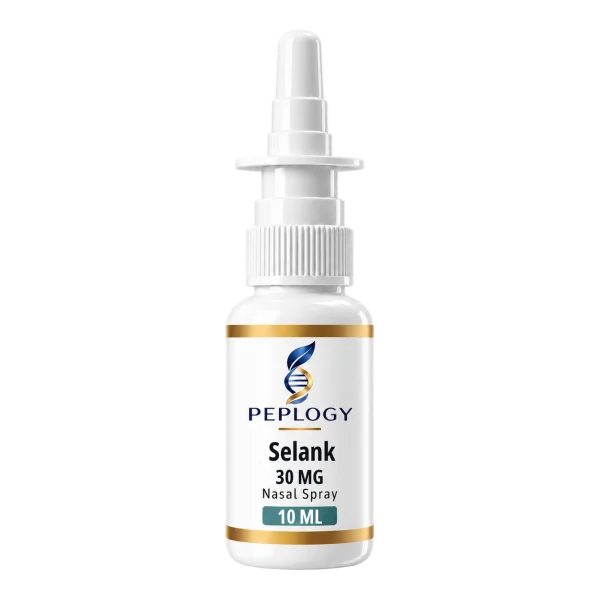
- Neuropeptide and cognitive research: Selank and Semax are studied for neurotransmitter balance, stress response and cognitive function, and DSIP for sleep regulation and stress hormones.
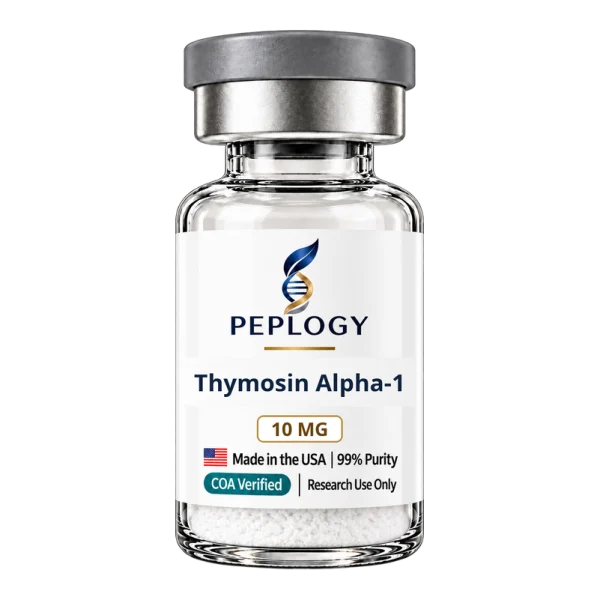
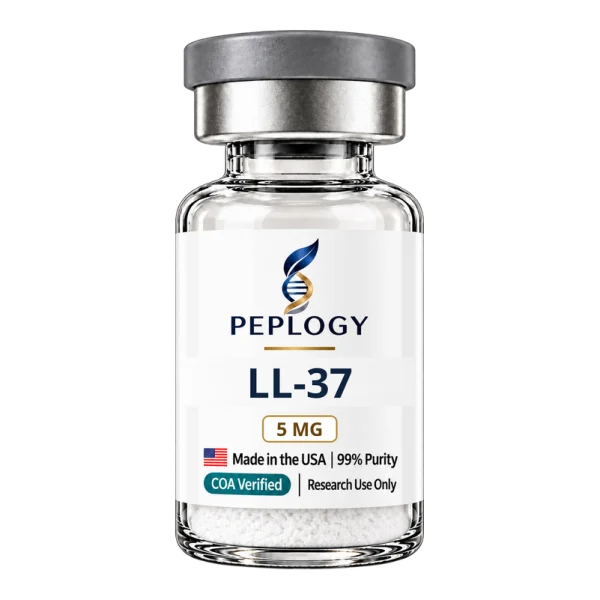
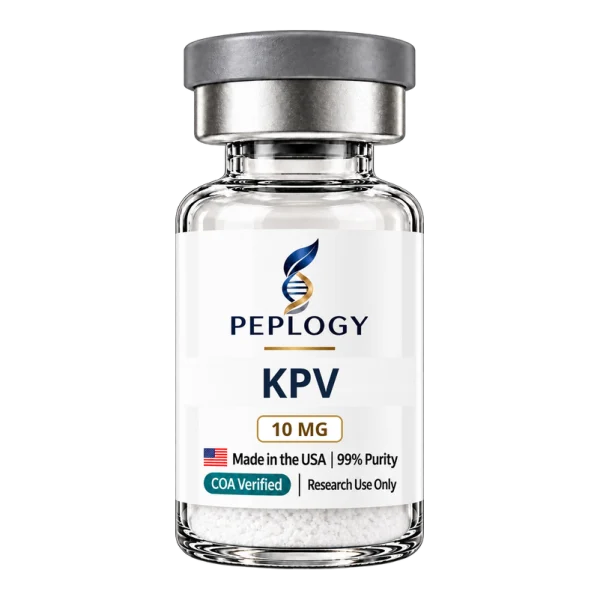
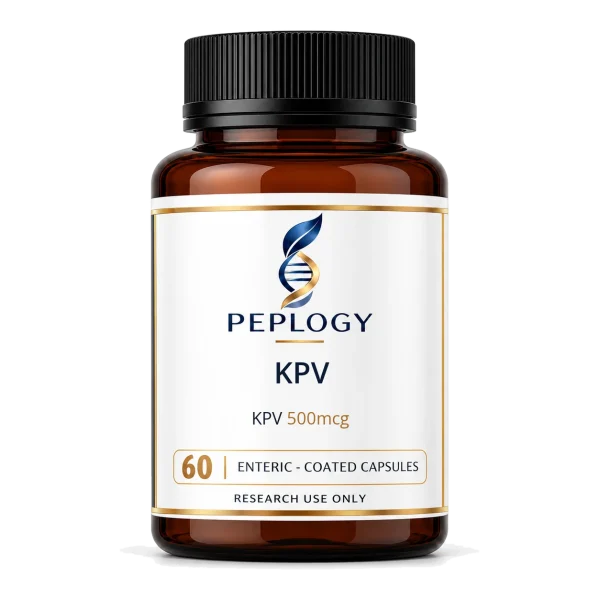
- Immune and antimicrobial research: Thymosin Alpha-1 is studied for T-cell and NK-cell activity, LL-37 for antimicrobial defense, and KPV, a tripeptide from alpha-MSH, for inflammatory signaling.
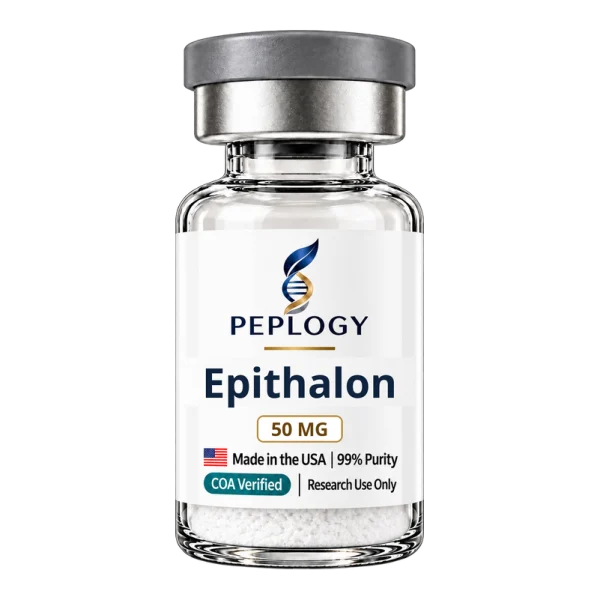
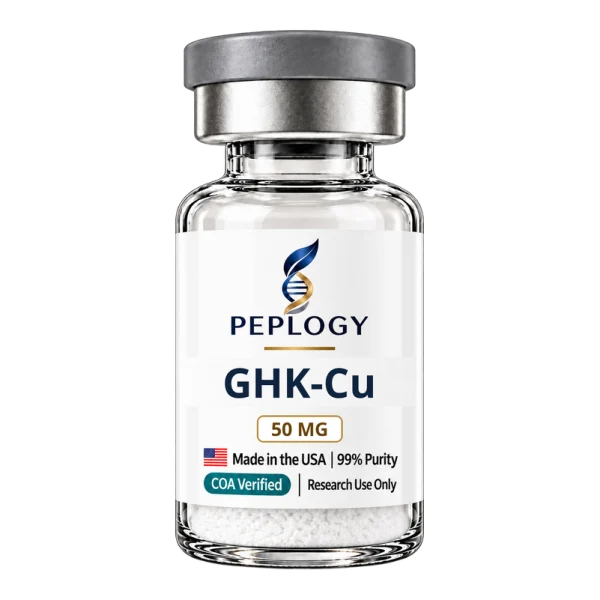
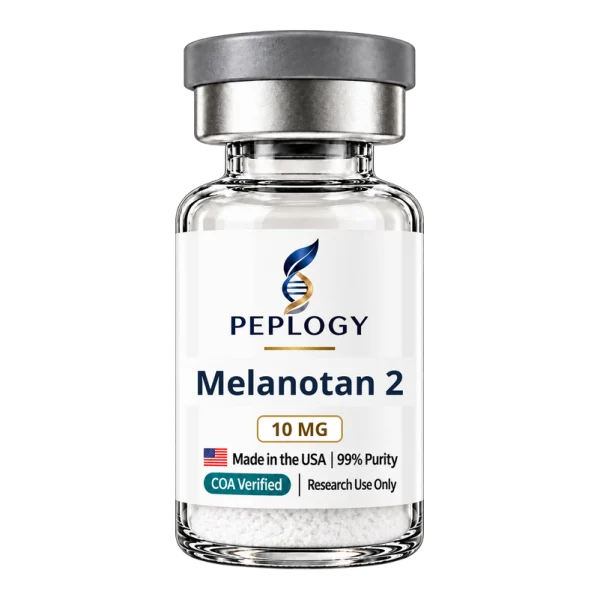
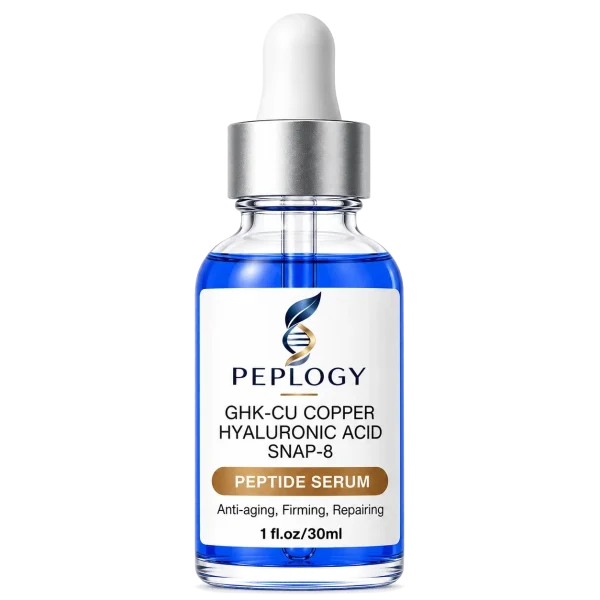
- Skin, pigmentation and aging: GHK-Cu is studied for collagen synthesis and tissue repair, Melanotan 2 for melanin production through MC1R, and Epithalon for telomerase activity.
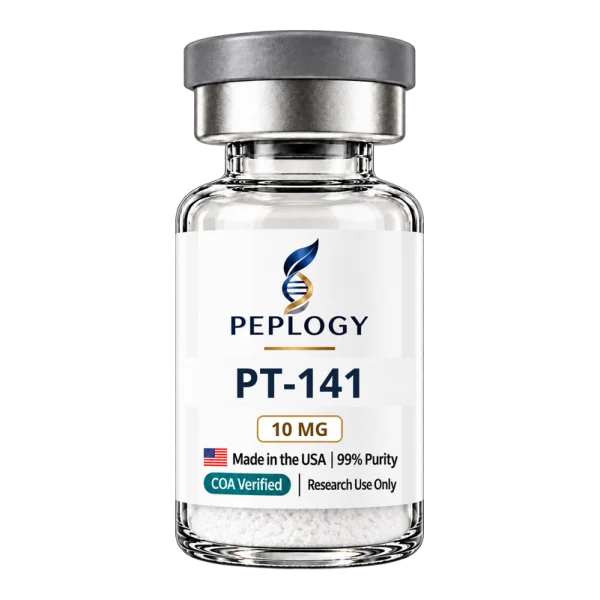
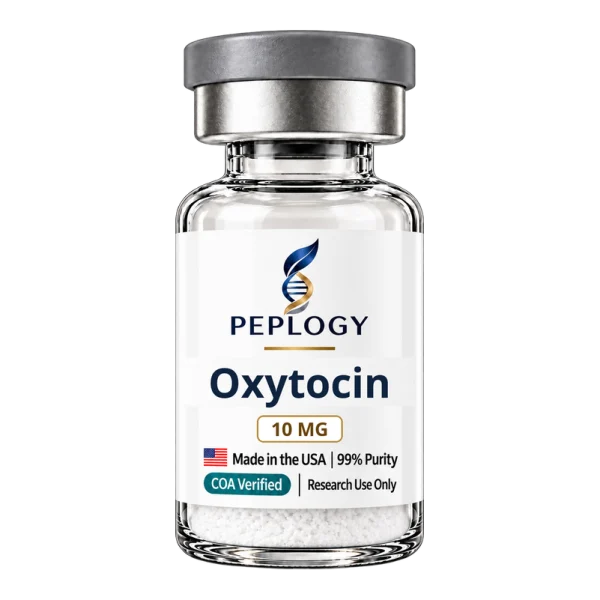
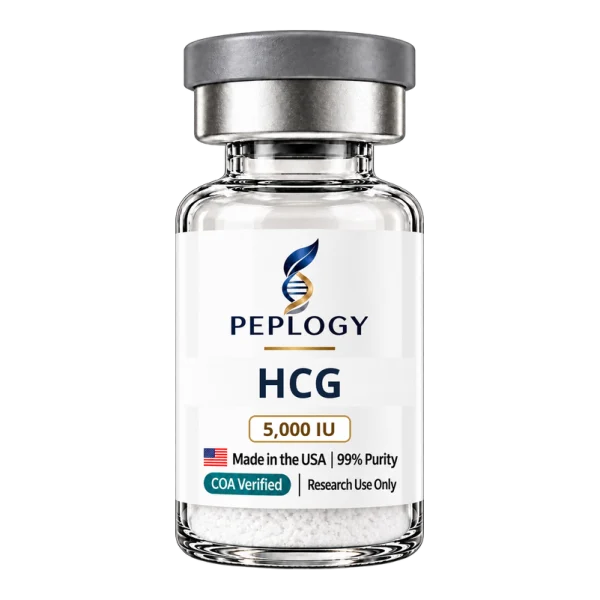
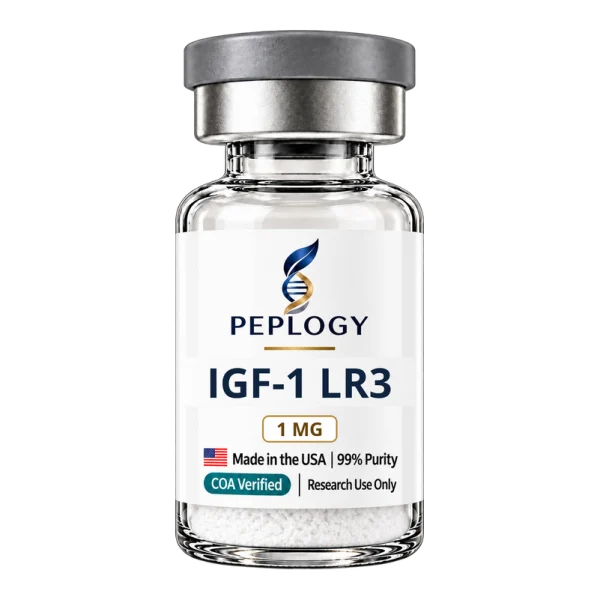
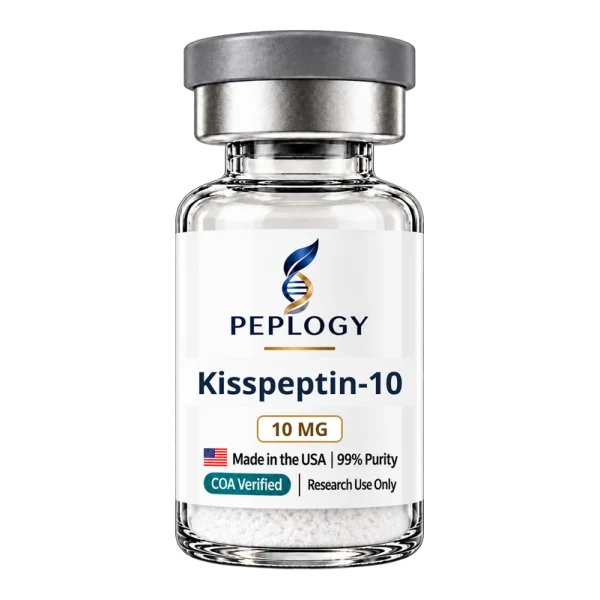
- Endocrine and reproductive research: Kisspeptin-10 (KISS1R signaling), HCG, Oxytocin and PT-141 (melanocortin receptors) support hormone and neuroendocrine studies. IGF-1 LR3 is used in growth factor signaling research.
Peptide Vials, Capsules, Nasal Sprays and Serums
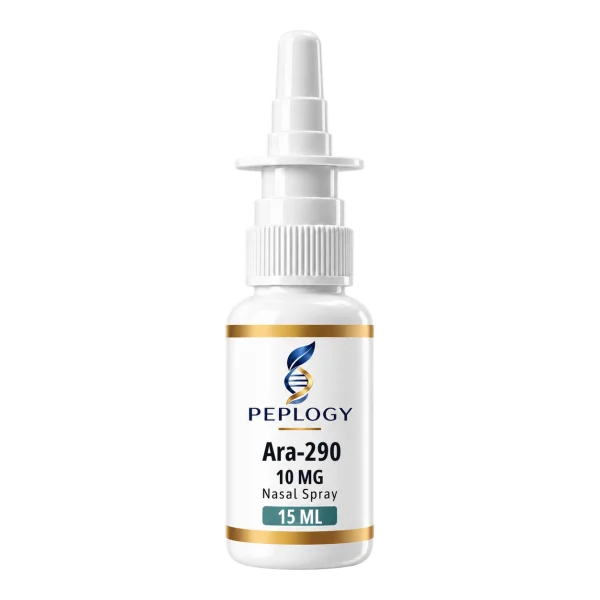
Most research peptides ship as a lyophilized (freeze-dried) powder in a sealed vial, the most stable format for storage and reconstitution. For studies that need a ready-to-use format, several compounds are also offered as oral capsules (60 per bottle), metered nasal sprays and a topical GHK-Cu serum. Product pages list the strength, per-capsule dose or spray concentration for each option.
How Are Our Research Peptides Tested?
Peptide vials list the lot's purity by reverse-phase HPLC, identity confirmation by mass spectrometry and endotoxin results, tested by an independent HPLC-MS laboratory. Published certificates of analysis (COAs) are collected in our COA library, and each product page shows whether the current lot's COA is available.
How to Store Research Peptides
Keep lyophilized vials at −20 °C, protected from light and moisture. Capsules should stay sealed below 25 °C in a dry place, and nasal sprays refrigerated at 2–8 °C after receipt. The exact storage conditions are listed on every product page.
Buying Research Peptides Online from a US Supplier
We ship within the United States, Monday through Thursday, with same-day dispatch on orders placed by 2 PM ET. Orders of $150 or more ship free to the contiguous US. Volume pricing is applied automatically in the cart: 8% off when you order 3 or more of the same product and 12% off for 5 or more, with different strengths counted together.
Peer-reviewed studies on bioactive peptides are indexed on PubMed, the research database of the US National Library of Medicine.