
Research Peptide Blends and Stacks
Peptide blends combine two or more research compounds in one vial, capsule, spray or serum, so researchers can study how they work together from a single, consistent preparation. This collection covers our pre-formulated research peptide blends, from classic pairings such as BPC-157 with TB-500 to multi-ingredient capsule formulas for metabolic, cognitive and skin research.
What Is a Peptide Blend?
A peptide blend (often called a peptide stack) is a fixed combination of research compounds at set amounts. Instead of preparing each compound separately, researchers work with one material whose composition is stated on the label. Blends are used in combination studies that compare how peptides interact with each other and with cellular signaling pathways, versus each compound alone. All blends are supplied for laboratory research only.
Popular Peptide Blends for Research
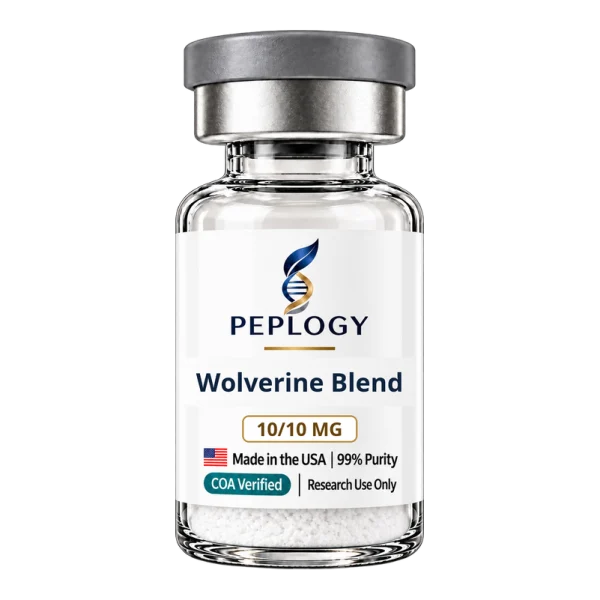
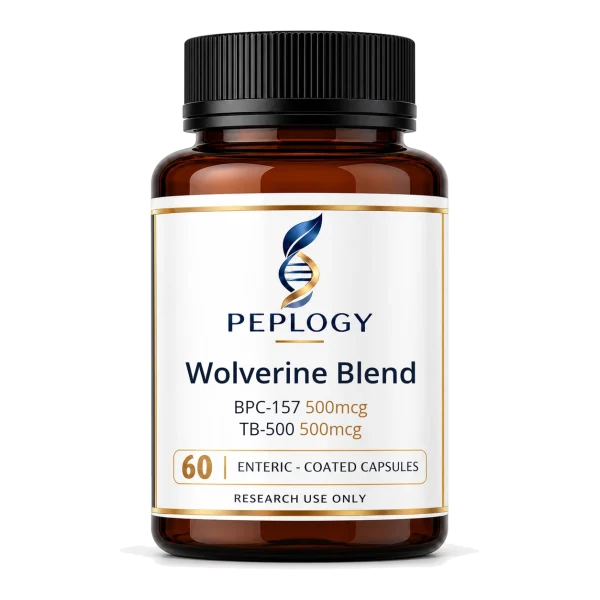
- Wolverine Blend (BPC-157 / TB-500): two peptides studied in tissue repair, cellular migration and inflammation research, available as a 10/10 mg vial and as capsules with 500 mcg of each.
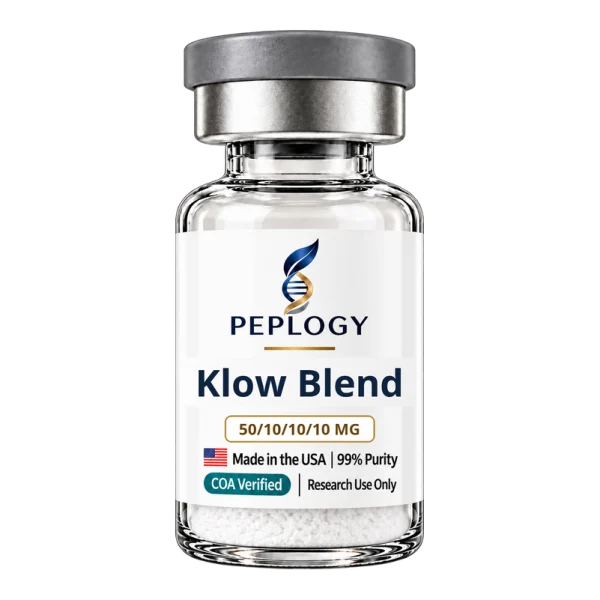
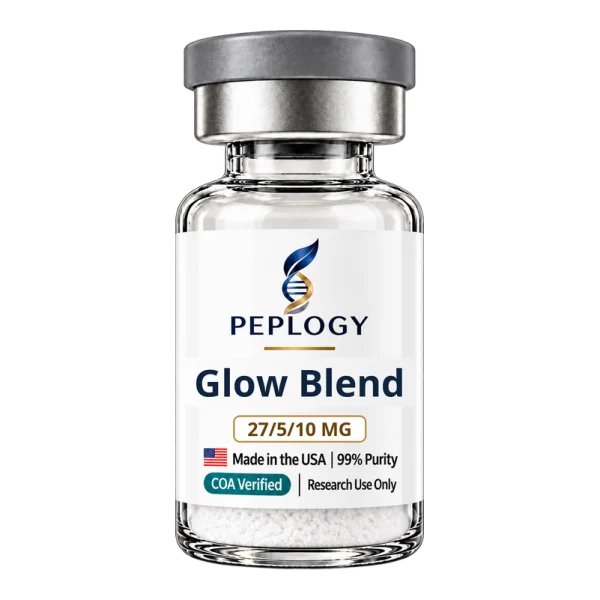
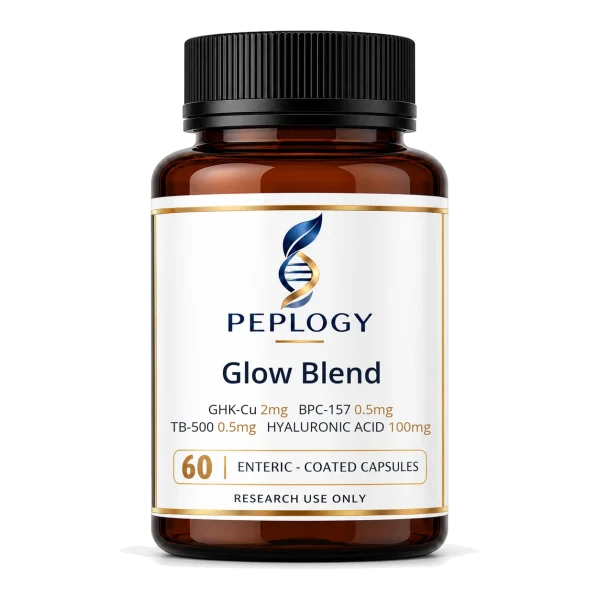
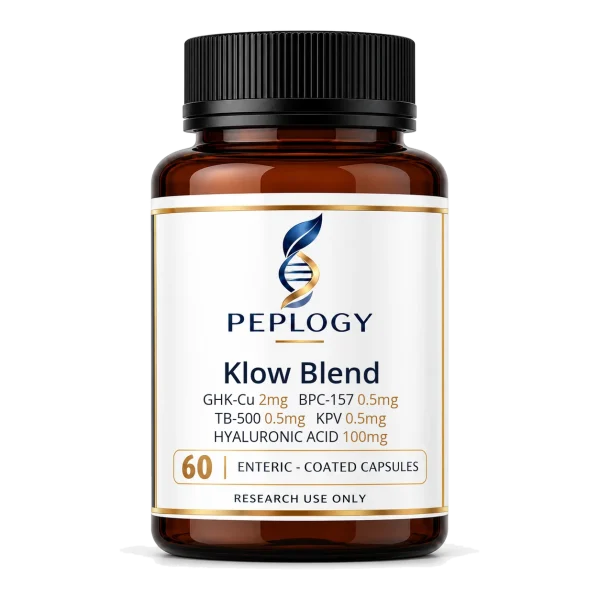
- Glow Blend and Klow Blend: Glow combines GHK-Cu, BPC-157 and TB-500 for skin and collagen research; Klow adds KPV for inflammatory signaling. Both come as vials and as capsules with hyaluronic acid.
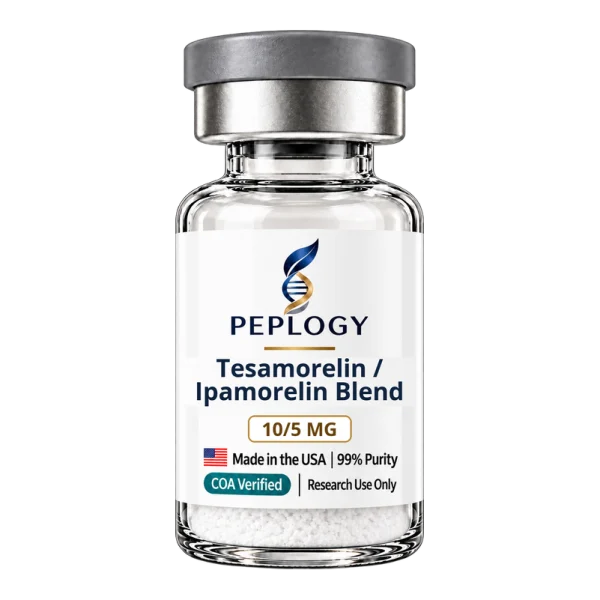
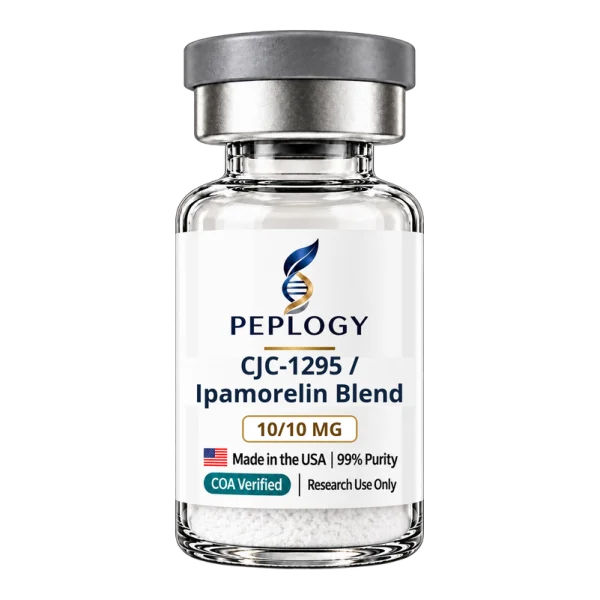
- CJC-1295 / Ipamorelin and Tesamorelin / Ipamorelin: growth hormone research blends that pair a GHRH analogue with a selective ghrelin receptor agonist, studied for their combined effect on growth hormone release and body composition.
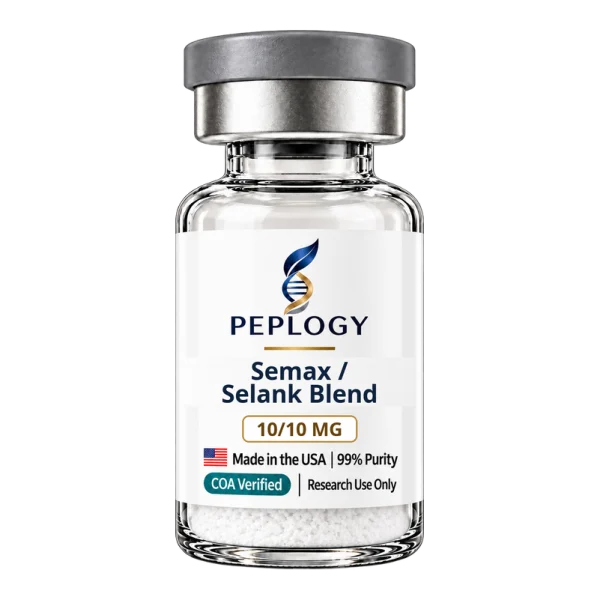
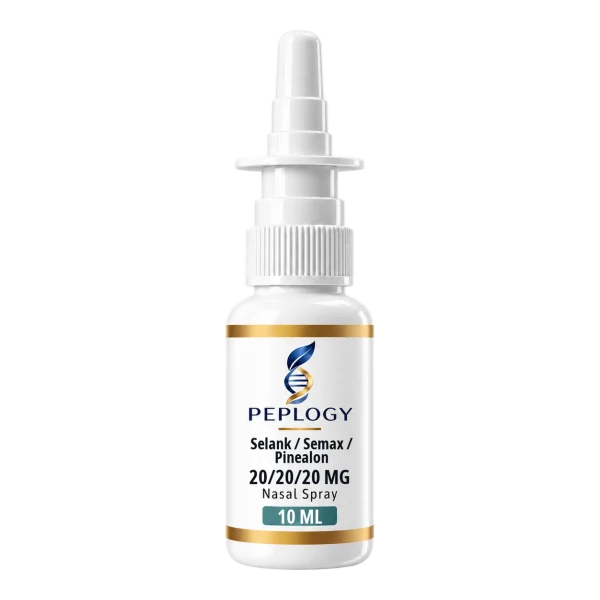
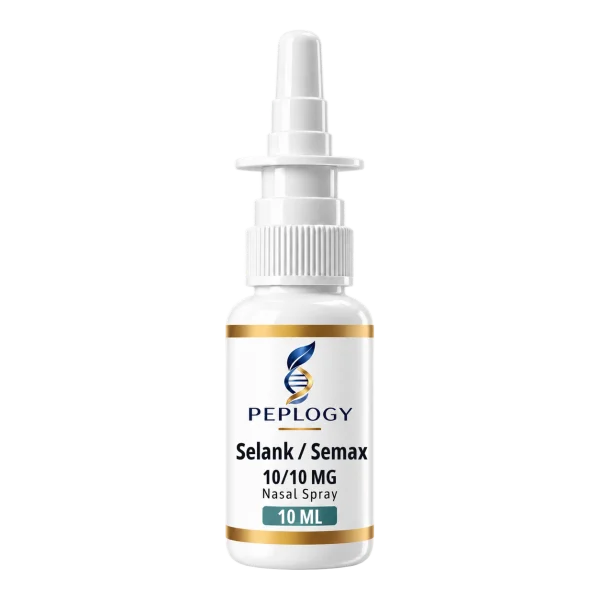
- Semax / Selank: two neuropeptides studied for neuropeptide signaling and peptide-receptor interactions, as a 10/10 mg vial or a ready-to-use nasal spray, with a three-peptide Selank / Semax / Pinealon spray also available.
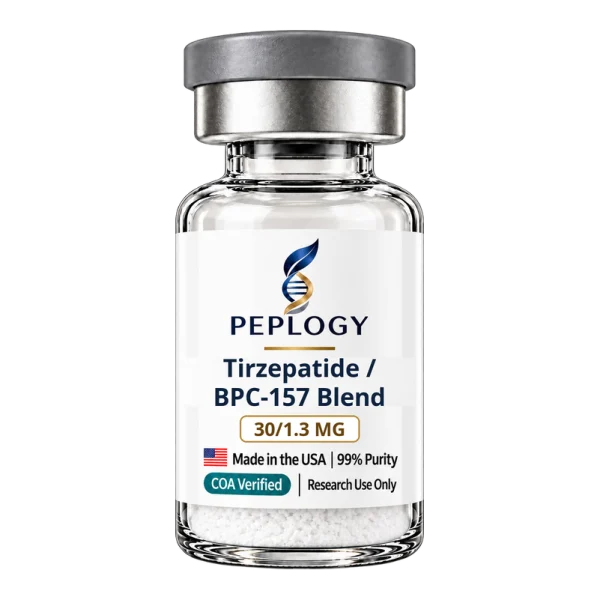
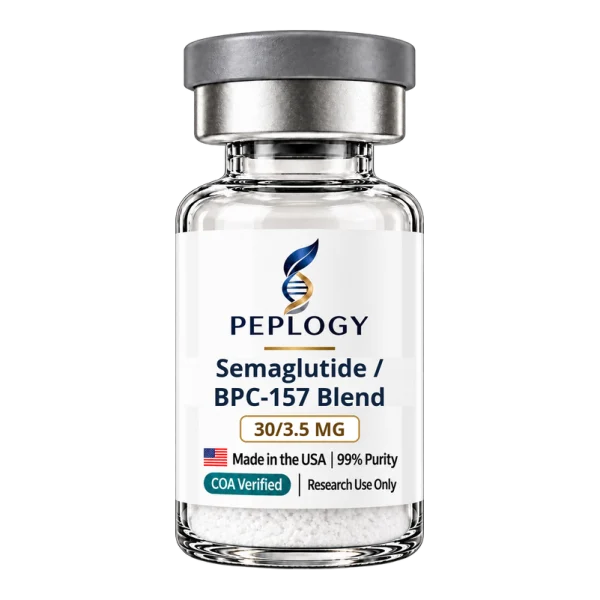
- GLP-1 blends with BPC-157: Semaglutide / BPC-157 and Tirzepatide / BPC-157 vials for analytical research on formulation stability, peptide interactions and cellular signaling.
Peptide Blend Capsules
Our capsule formulas come 60 to a bottle, with the amount of every ingredient per capsule listed on the product page:
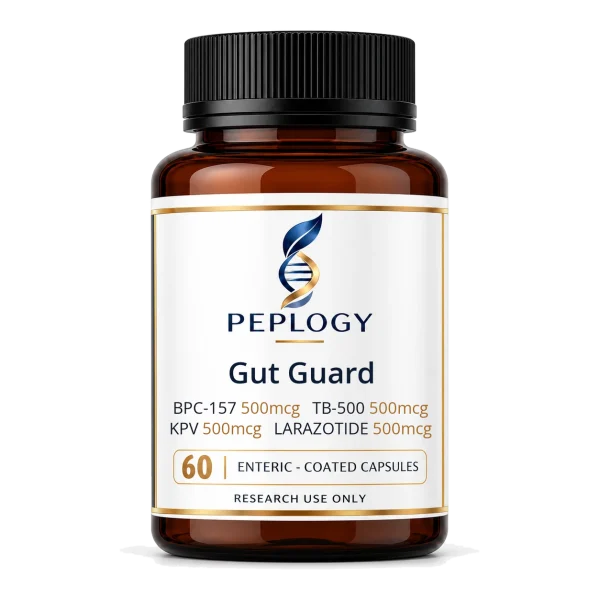
- Gut Guard: BPC-157, TB-500, KPV and larazotide for gut barrier and immune research.
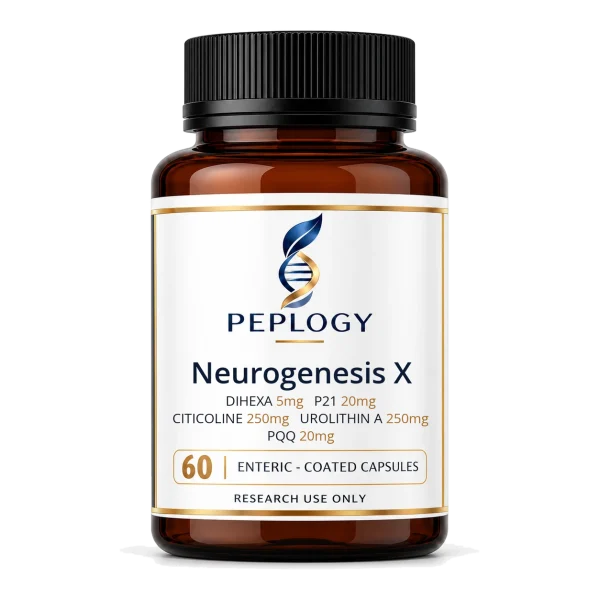
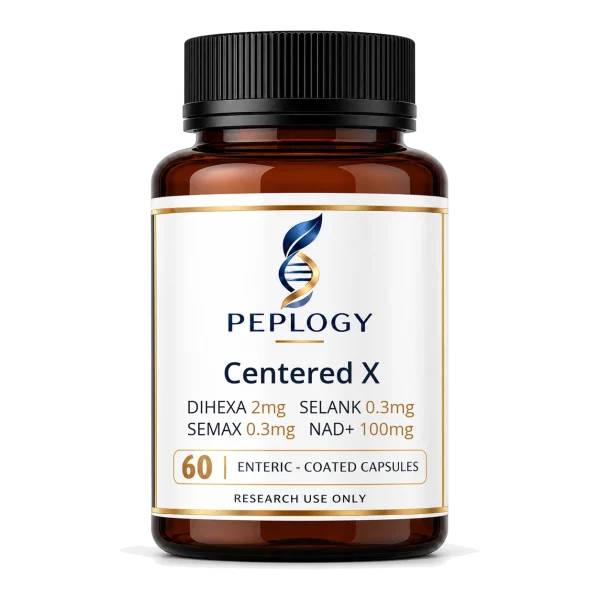
- Centered X and Neurogenesis X: Dihexa-based formulas with Selank, Semax and NAD+, or P21, citicoline, urolithin A and PQQ, for cognitive and mitochondrial research.
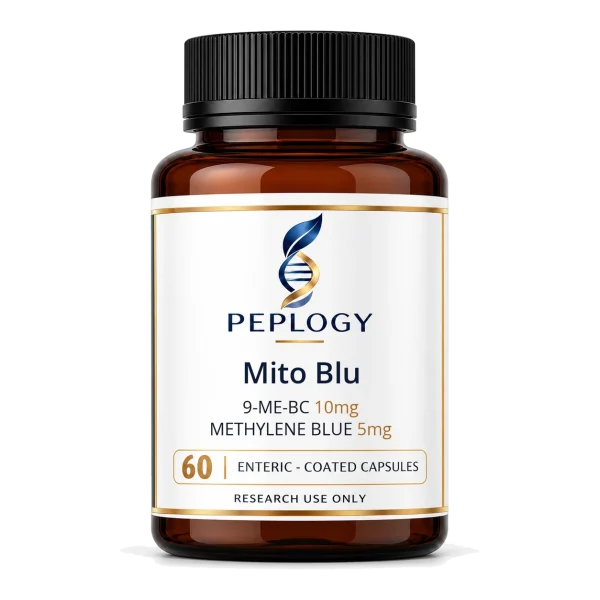
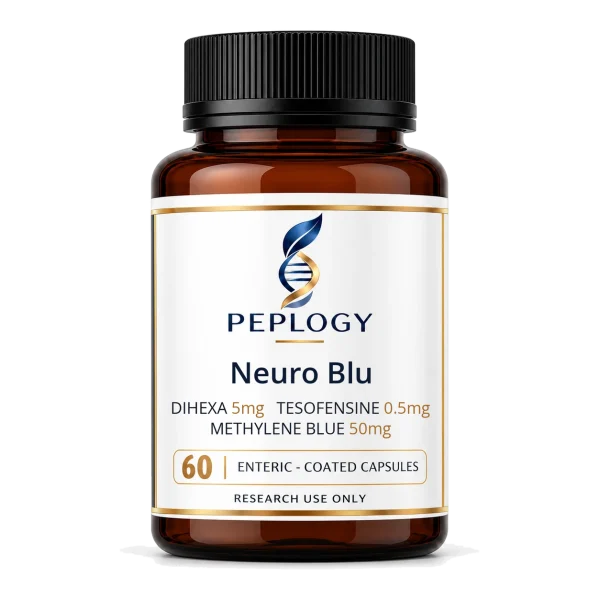
- Neuro Blu and Mito Blu: methylene blue combined with Dihexa and tesofensine, or with 9-Me-BC, for cognitive and cellular energy studies.
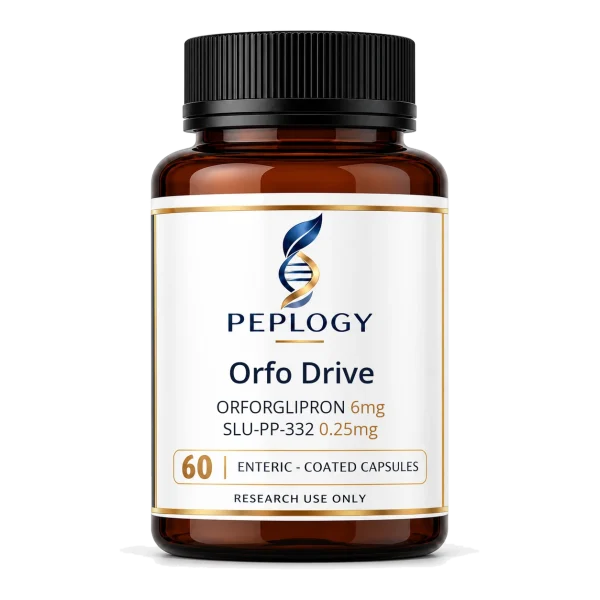
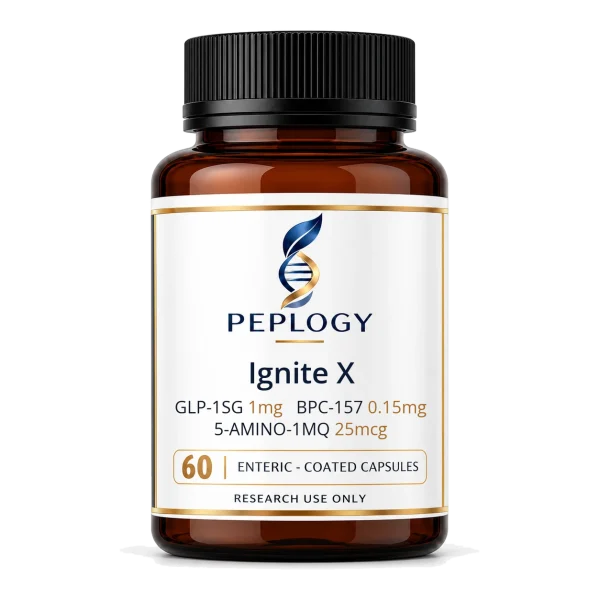
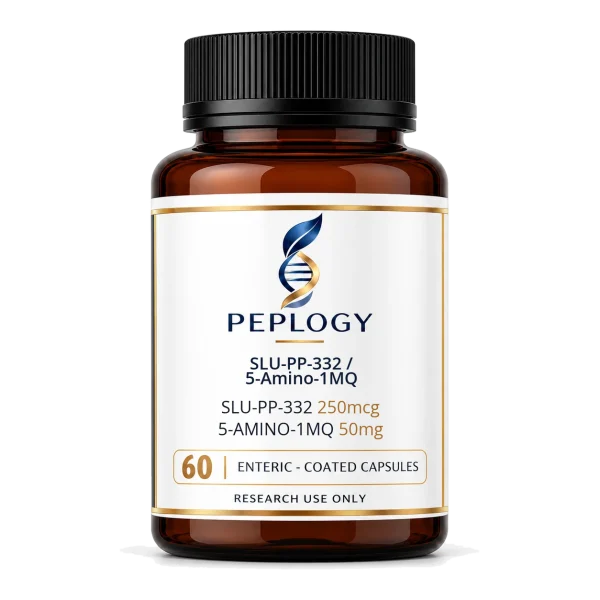
- Ignite X, Orfo Drive and SLU-PP-332 / 5-Amino-1MQ: metabolic research formulas built around GLP-1 receptor agonists, SLU-PP-332 and the NNMT inhibitor 5-Amino-1MQ.
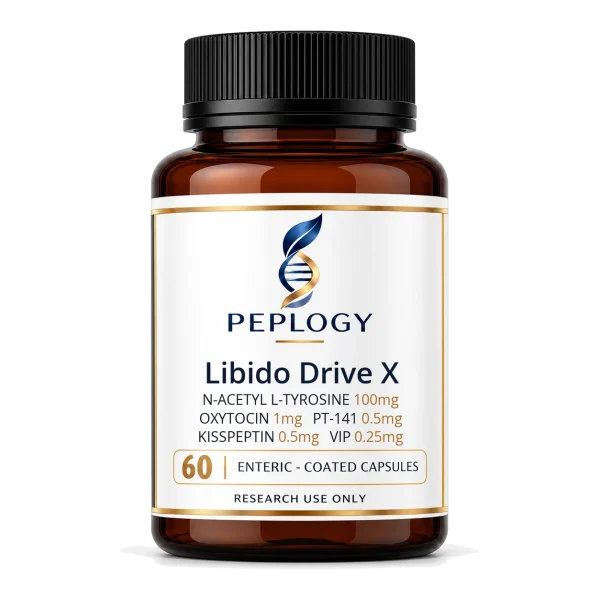
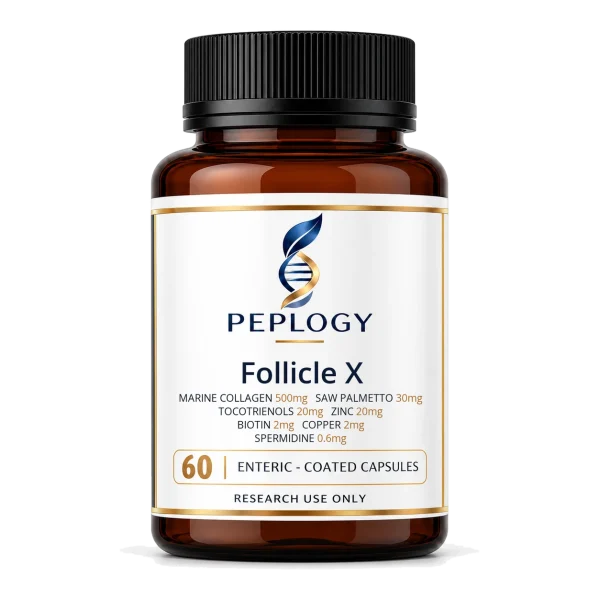
- Libido Drive X and Follicle X: formulas for neuroendocrine research and for follicle, structural protein and antioxidant research.
Topical Serums
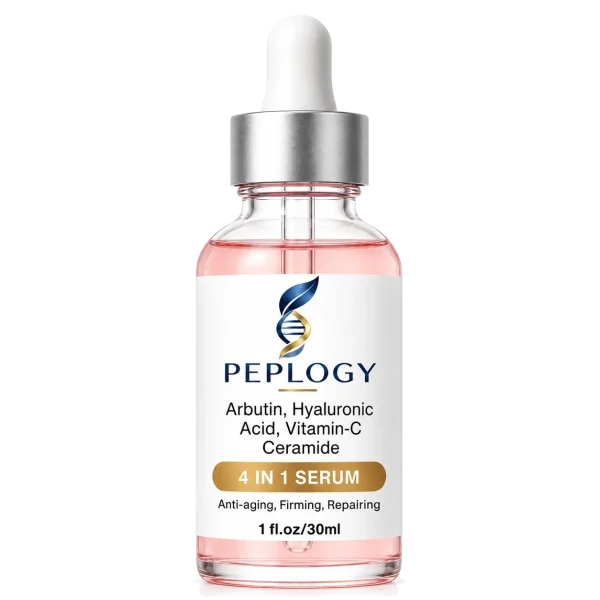
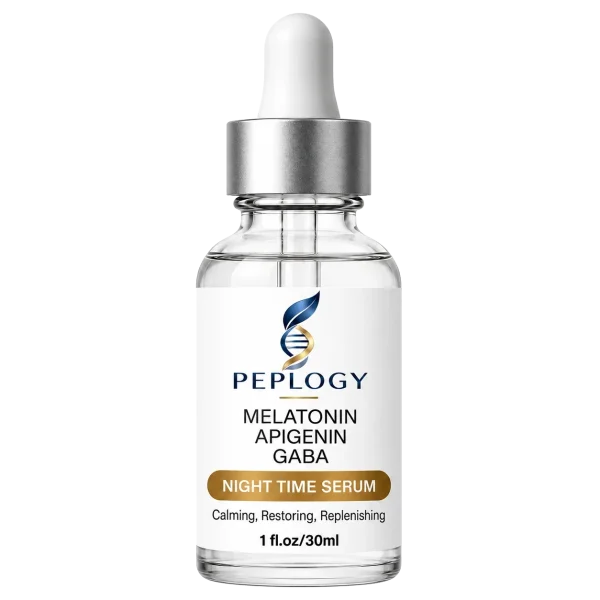
Two ready-to-use 30 mL serums round out the collection: Noctura, with melatonin, apigenin and GABA for circadian and relaxation-pathway research, and Ceralux, with arbutin, hyaluronic acid, vitamin C and ceramide for skin tone, hydration and barrier research.
Why Researchers Choose Pre-Made Blends
A fixed blend keeps the ratio between compounds identical from vial to vial, which makes results easier to compare and experiments easier to reproduce. It also removes a preparation step when several compounds are studied together.
Ordering Peptide Blends in the USA
Blends ship within the United States Monday through Thursday, with same-day dispatch on orders placed by 2 PM ET and free shipping on orders of $150 or more to the contiguous US. Order 3 or more of the same blend for 8% off, or 5 or more for 12% off, applied automatically in the cart.
Peer-reviewed studies on BPC-157 and thymosin beta-4 are indexed on PubMed, the research database of the US National Library of Medicine.