



Metabolic Research Peptides and Compounds
The Metabolic collection brings together research peptides and compounds studied for energy balance, glucose and lipid metabolism, mitochondrial function and metabolic receptor signaling. It includes GLP-1 and multi-agonist peptides, mitochondrial peptides, coenzymes, and capsule formulas built around small molecules such as 5-Amino-1MQ and SLU-PP-332, all supplied for laboratory research in the USA.
What Are Metabolic Research Peptides?
Metabolic research peptides are compounds used in laboratory and preclinical models to study how cells and tissues produce and use energy. Some act on hormone receptors that regulate glucose and appetite signaling, such as the GLP-1, GIP and glucagon receptors. Others are studied for their effects on mitochondria, fat metabolism or oxidative stress. They are research tools only and are not for human or veterinary use.
GLP-1 and Multi-Agonist Peptides
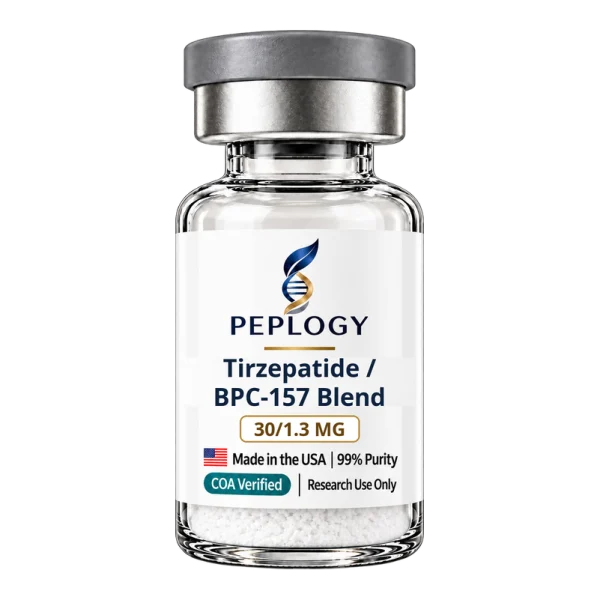
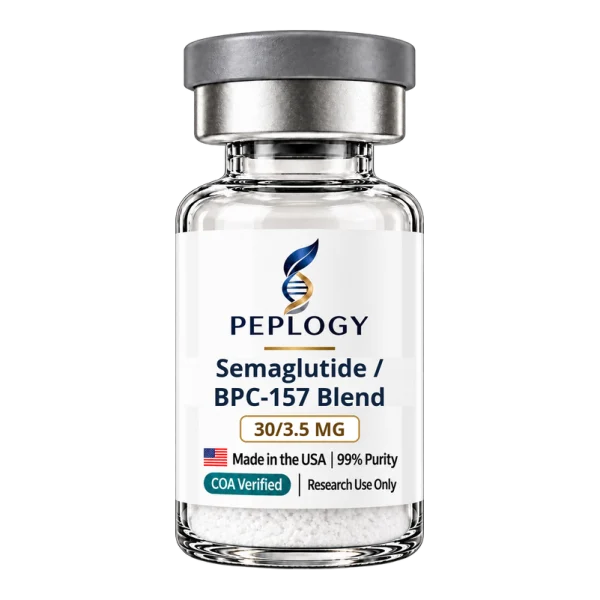
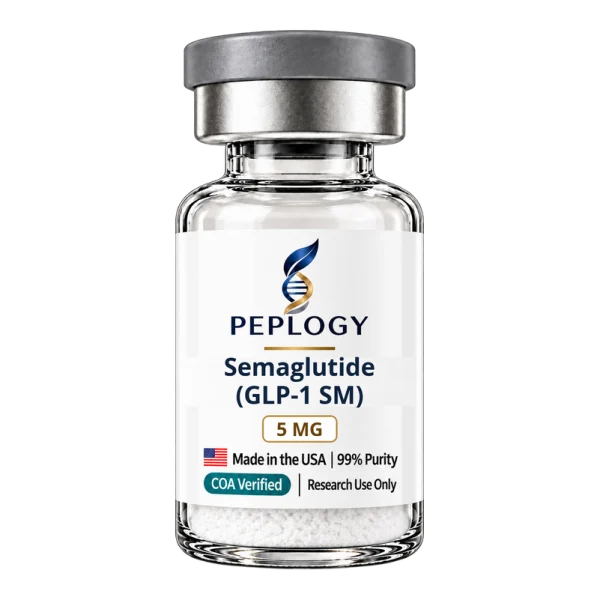
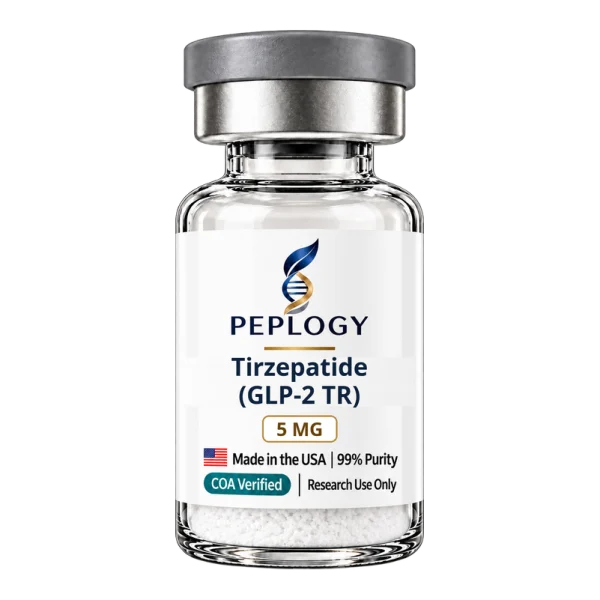
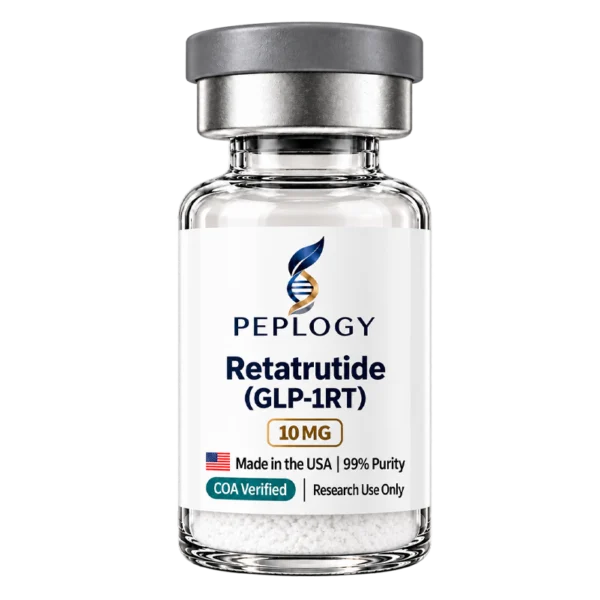
Semaglutide (GLP-1 SM) is used in models of GLP-1 receptor interaction and signaling. Tirzepatide (GLP-2 TR) is studied for its interactions with the GLP-1 and GIP receptors, and Retatrutide (GLP-1 RT) across the GLP-1, GIP and glucagon receptors, making both relevant to research on receptor selectivity and interconnected endocrine pathways. Semaglutide and Tirzepatide are also available blended with BPC-157 for formulation and signaling research. See our GLP-1 & Multi-Agonists collection for the full range of strengths.
Mitochondrial and Cellular Energy Research
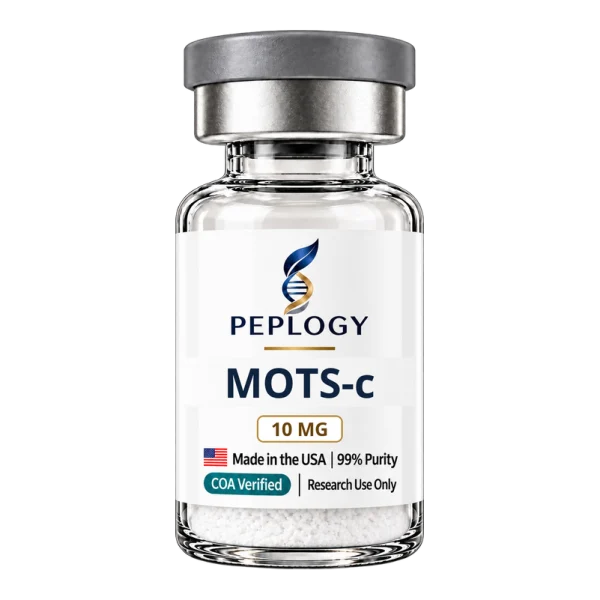
- MOTS-c: a mitochondrial-derived peptide that links mitochondrial activity to cellular metabolism, studied for glucose uptake, insulin sensitivity and energy balance.
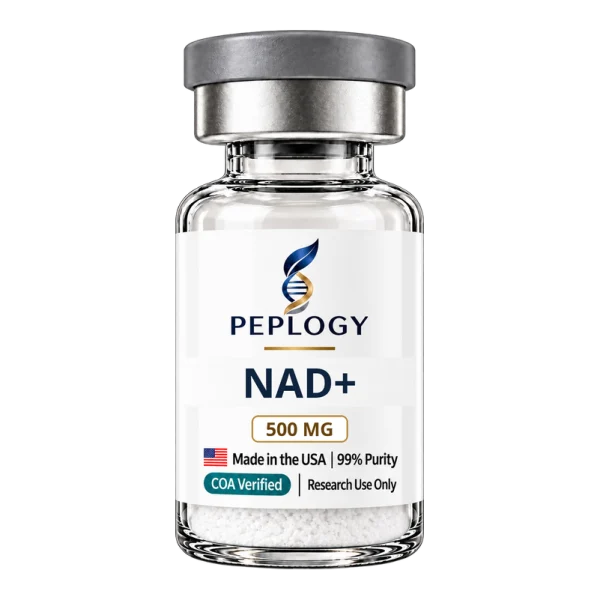
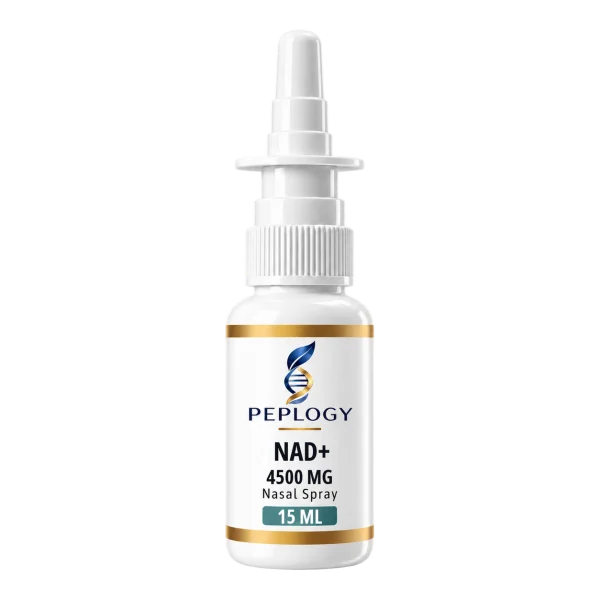
- NAD+: a coenzyme essential to ATP production and DNA repair, studied through its activation of sirtuins and PARPs; available as a vial and a nasal spray.
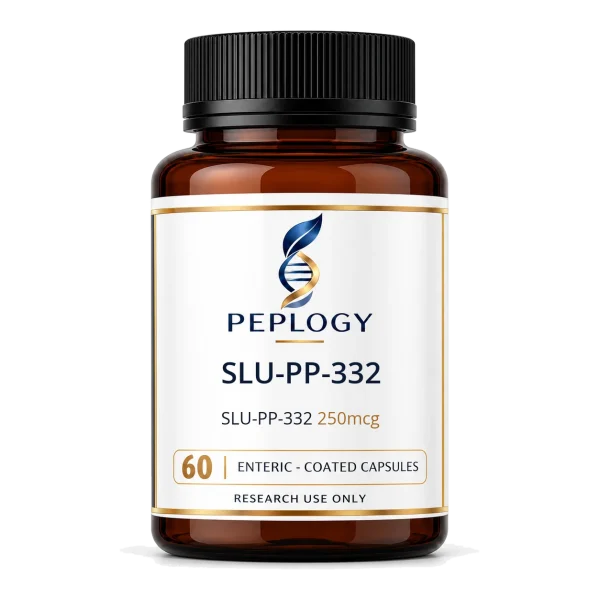
- SLU-PP-332: studied for mitochondrial function, oxidative stress and PPARδ signaling.
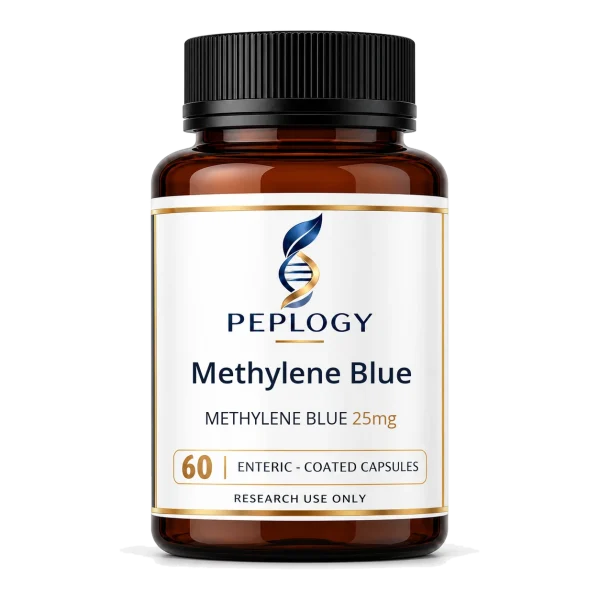
- Methylene blue: studied for electron transport, redox balance and mitochondrial health, alone or in the Mito Blu formula with 9-Me-BC.
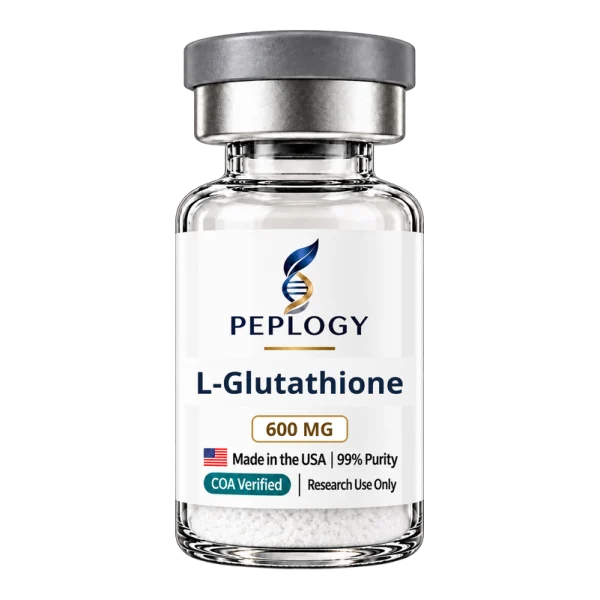
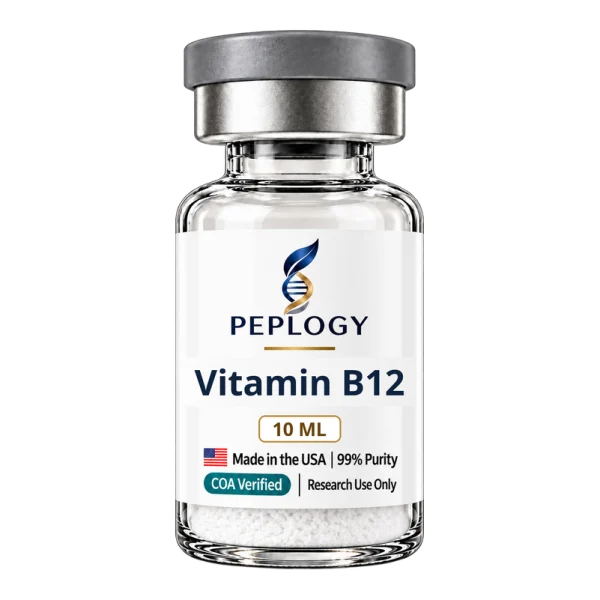
- L-Glutathione and vitamin B12: glutathione for antioxidant and oxidative stress research, and B12 for cellular metabolism, DNA synthesis and methylation.
Fat Metabolism and Weight Regulation Research
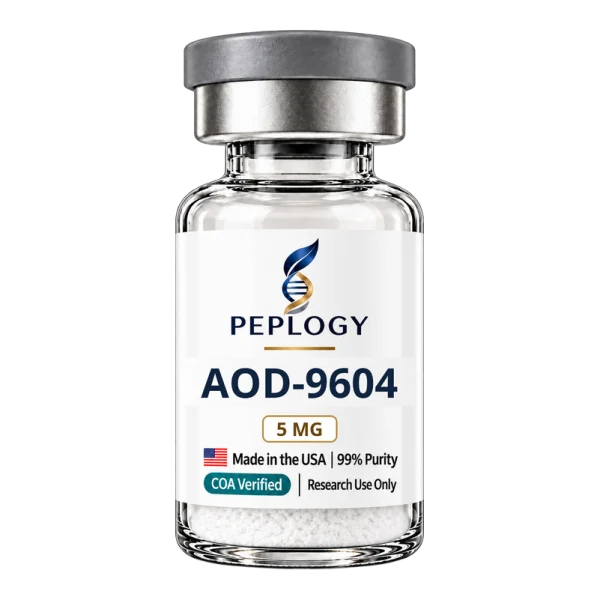
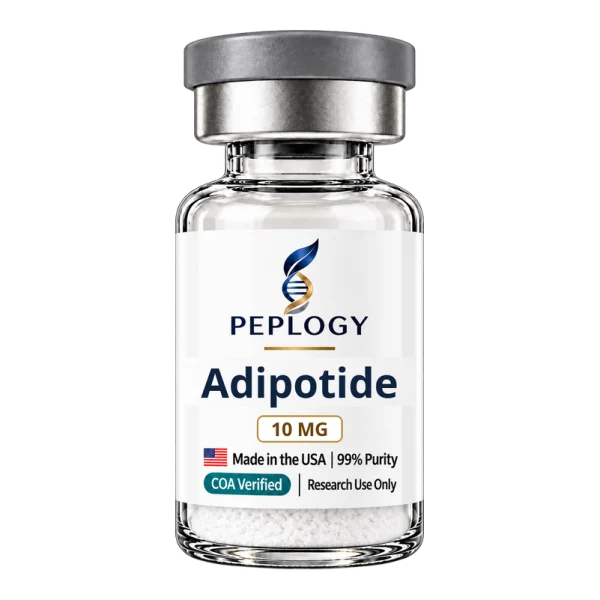
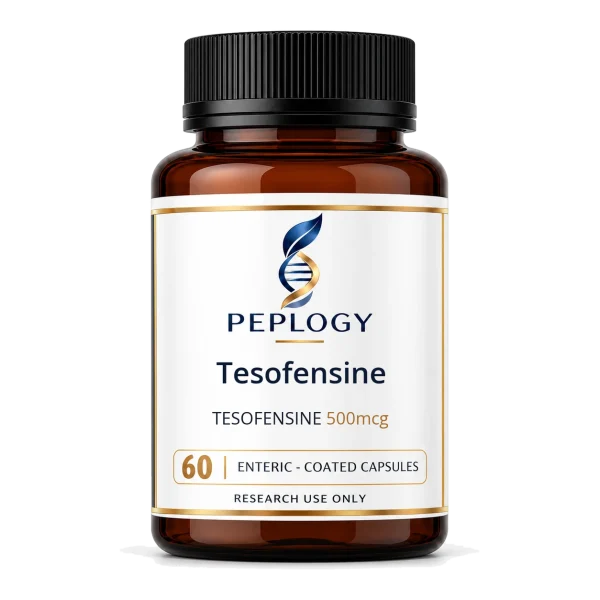
AOD-9604, a fragment of human growth hormone, is studied for its effects on lipolysis and fat storage. Adipotide targets the blood vessels that supply fat tissue and is studied in obesity research models. 5-Amino-1MQ, an inhibitor of the enzyme NNMT, and tesofensine, a monoamine reuptake inhibitor, are offered as capsules for research on fat metabolism, energy expenditure and appetite regulation.
Metabolic Research Capsules
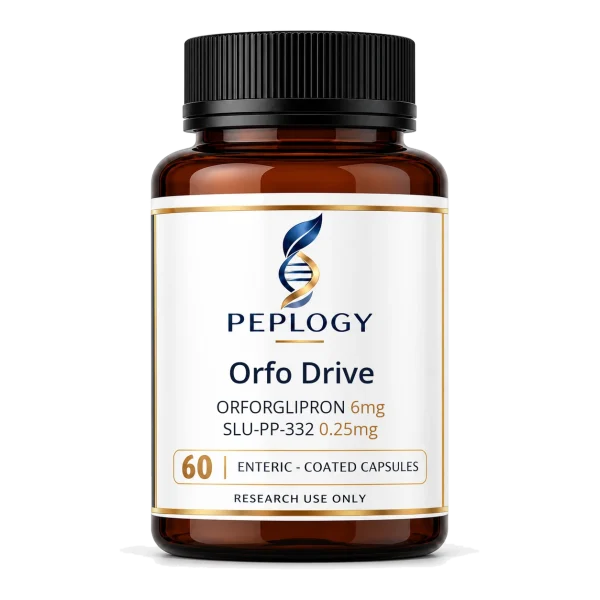
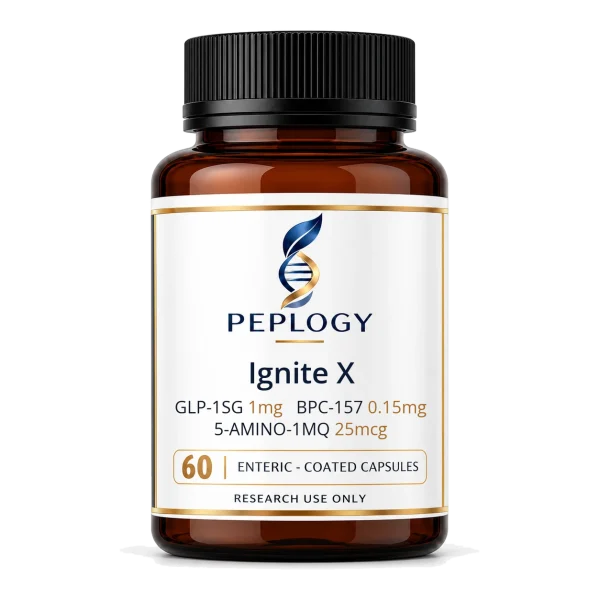
For oral-format studies, the collection includes single-compound capsules (5-Amino-1MQ, SLU-PP-332, methylene blue, tesofensine) and combined formulas: SLU-PP-332 / 5-Amino-1MQ, Ignite X (Semaglutide, BPC-157 and 5-Amino-1MQ) and Orfo Drive (orforglipron and SLU-PP-332). Every bottle holds 60 capsules, with per-capsule amounts on each product page.
Vials or Capsules for Metabolic Research?
Lyophilized vials suit studies that prepare their own solutions and need to choose an exact amount, and several peptides here come in multiple vial strengths. Capsules give a fixed, labeled amount per capsule for oral-format research and need no preparation. Some compounds, such as NAD+, are also available as a ready-to-use nasal spray.
Quality, Storage and Shipping
Peptide vials list lot purity by RP-HPLC with identity confirmed by mass spectrometry, and published certificates of analysis are collected in our COA library. Store lyophilized vials at −20 °C, capsules sealed below 25 °C and nasal sprays refrigerated. We ship within the US Monday through Thursday, with same-day dispatch on orders by 2 PM ET, free shipping over $150 to the contiguous US and automatic volume pricing of 8% off 3 or more and 12% off 5 or more of the same product.
Peer-reviewed studies on metabolic peptides such as MOTS-c are indexed on PubMed, the research database of the US National Library of Medicine.